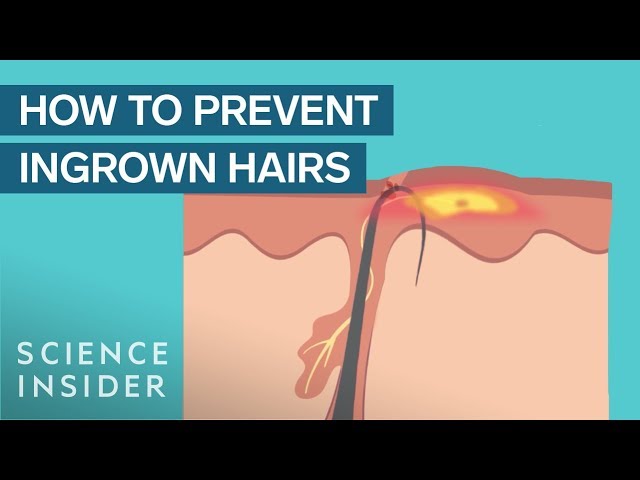
Ingrown hairs, a frustrating skin irritation, surface when hair turns inward and punctures the skin's surface. Picture a tiny, inflammatory bump topped with a loop of haira common nuisance in areas subjected to friction, like underarms or bikini lines.
Beyond their aesthetic disapproval, ingrown hairs carry concerns of infection and scarring. Historically, various techniques have emerged to manage them, including electrolysis, tweezing, and laser therapy. These methods, however, often prove costly, painful, or inconvenient.
This article explores the underlying factors contributing to ingrown hairs, offering insights into preventive measures and effective solutions to alleviate this persistent problem.
How do you get ingrown hairs
Understanding the causes and factors influencing ingrown hairs is essential for effective prevention and treatment.
- Skin type
- Hair type
- Shaving technique
- Tweezing or waxing
- Tight clothing
- Hygiene
Skin type and hair type play significant roles, with coarse, curly hair more prone to ingrown hairs. Shaving against the grain, improper tweezing or waxing techniques, and wearing tight clothing can aggravate the problem. Additionally, poor hygiene can create a breeding ground for bacteria that can lead to infections.
Skin type
Skin type plays a significant role in the formation of ingrown hairs. Individuals with naturally thick, coarse hair are more susceptible to developing ingrown hairs, especially in areas where the hair is frequently shaved or waxed. Curly hair is also more prone to ingrown hairs compared to straight hair, as the curved shape of the hair shaft makes it more likely to curl back into the skin after shaving.
Additionally, certain skin conditions can contribute to the development of ingrown hairs. People with dry skin or skin prone to inflammation are more likely to experience ingrown hairs. Dry skin lacks moisture, which can make the hair shaft more brittle and prone to breakage. When the hair shaft breaks off below the skin's surface, it can become trapped and grow inward.
Understanding the connection between skin type and ingrown hairs is crucial for developing effective prevention strategies. Individuals with thick, coarse, or curly hair should take extra care when shaving or waxing to minimize the risk of developing ingrown hairs. Regular exfoliation and moisturizing can help to keep the skin hydrated and prevent ingrown hairs from forming.
Hair type
The type of hair you have plays a significant role in whether or not you are likely to develop ingrown hairs. Coarse, curly hair is more likely to become ingrown than fine, straight hair. This is because coarse, curly hair is more likely to curl back into the skin after being shaved or waxed. Additionally, curly hair is more likely to be trapped under the skin, which can also lead to ingrown hairs.
If you have coarse, curly hair, you can take steps to reduce your risk of developing ingrown hairs. These steps include shaving with a sharp razor, shaving in the direction of hair growth, and exfoliating your skin regularly. You may also want to consider waxing or laser hair removal as alternatives to shaving.
Understanding the relationship between hair type and ingrown hairs can help you develop effective strategies for preventing and treating this condition. By taking the appropriate steps, you can keep your skin looking its best.
Shaving technique
Shaving technique is a critical component of preventing ingrown hairs. When hair is shaved too closely or against the grain, it can create a sharp edge that is more likely to curl back into the skin and become ingrown. Additionally, shaving with a dull razor can cause the hair to break off below the skin's surface, which can also lead to ingrown hairs.
To avoid ingrown hairs, it is important to shave in the direction of hair growth and use a sharp razor. It is also important to avoid shaving too closely, as this can irritate the skin and make it more susceptible to infection. Additionally, exfoliating the skin before shaving can help to remove dead skin cells and make it easier for the razor to glide over the skin.
If you are prone to ingrown hairs, you may want to consider using an electric razor or laser hair removal as alternatives to shaving. Electric razors cut the hair above the skin's surface, which reduces the risk of ingrown hairs. Laser hair removal permanently reduces hair growth, which can eliminate the problem of ingrown hairs altogether.
Tweezing or waxing
Tweezing or waxing are hair removal methods that can lead to ingrown hairs, especially when performed improperly or on certain skin types. These techniques involve forcibly removing hair from the root, which can cause the hair to grow back irregularly and become trapped under the skin.
- Skin irritation: Tweezing or waxing can cause skin irritation, redness, and inflammation, which can further contribute to the development of ingrown hairs. This is especially true for individuals with sensitive skin or skin prone to irritation.
- Broken hairs: Tweezing or waxing can sometimes break the hair shaft below the skin's surface, making it more likely to grow inward. Broken hairs are more difficult to remove and can lead to chronic ingrown hairs.
- Thick, coarse hair: Individuals with thick, coarse hair are more likely to develop ingrown hairs after tweezing or waxing. This is because thick hair is more likely to curl back into the skin after being removed.
- Improper technique: Tweezing or waxing should be done carefully and with proper technique to minimize the risk of ingrown hairs. If the hair is not removed completely or if the tweezers or wax are not clean, it can increase the chances of developing ingrown hairs.
To prevent ingrown hairs after tweezing or waxing, it is important to use clean tools, exfoliate the skin regularly, and avoid tweezing or waxing too frequently. If ingrown hairs do develop, they can be treated with topical antibiotics or by gently extracting them with a sterile needle.
Tight clothing
Tight clothing can aggravate ingrown hairs by creating friction and irritation on the skin. This friction can cause the hair to curl back into the skin, leading to inflammation and the formation of ingrown hairs.
- Friction: Tight clothing rubs against the skin, creating friction that can irritate the hair follicles and cause the hair to grow inward.
- Moisture: Tight clothing can trap moisture against the skin, creating a warm, moist environment that is ideal for bacteria to grow and cause infections.
- Heat: Tight clothing can trap heat against the skin, which can further irritate the hair follicles and lead to ingrown hairs.
- Specific areas: Tight clothing in areas where hair is prone to ingrown hairs, such as the underarms or bikini area, can increase the risk of developing ingrown hairs.
To prevent ingrown hairs caused by tight clothing, it is important to wear loose, comfortable clothing made from breathable fabrics. Additionally, avoiding activities that cause excessive sweating can help to reduce the risk of developing ingrown hairs.
Hygiene
Hygiene plays a crucial role in preventing ingrown hairs, as poor hygiene can create a breeding ground for bacteria that can lead to infections and inflammation. Maintaining proper hygiene involves several key aspects:
- Regular cleansing: Regularly washing the skin with a mild soap and water helps remove dirt, sweat, and bacteria that can clog hair follicles and lead to ingrown hairs.
- Exfoliation: Exfoliating the skin helps remove dead skin cells that can block hair follicles and prevent hairs from growing out properly.
- Moisturizing: Keeping the skin moisturized helps prevent dryness and flakiness, which can make the skin more prone to ingrown hairs.
- Avoiding harsh chemicals: Using harsh chemicals or products on the skin can irritate the skin and make it more susceptible to ingrown hairs.
By practicing good hygiene, individuals can reduce their risk of developing ingrown hairs and maintain healthy, clear skin.
Frequently Asked Questions about Ingrown Hairs
This FAQ section aims to address common questions and clarify various aspects related to ingrown hairs, providing concise and informative answers.
Question 1: What causes ingrown hairs?
Ingrown hairs occur when the tip of a hair curls back and penetrates the surrounding skin, causing irritation and inflammation. This can be influenced by factors such as shaving technique, hair type, skin conditions, and tight clothing.
Question 6: How can I prevent ingrown hairs?
Preventive measures include shaving in the direction of hair growth, using sharp razors, exfoliating regularly, avoiding tight clothing, and maintaining good hygiene practices.
In summary, understanding the causes and implementing preventive measures can significantly reduce the occurrence of ingrown hairs. If ingrown hairs do develop, various treatment options are available, including topical treatments, extraction, or laser hair removal, depending on the severity and individual circumstances.
For further insights into ingrown hair management, the following section explores effective treatment strategies and provides guidance on addressing specific concerns.
Tips to Prevent and Treat Ingrown Hairs
This section provides practical tips and effective strategies to prevent and manage ingrown hairs, helping you achieve smooth, healthy skin.
Tip 1: Shave in the Direction of Hair Growth
Shaving against the grain can increase the risk of ingrown hairs. Determine your hair growth pattern and shave accordingly to avoid irritation and ingrown hairs.
Tip 2: Use Sharp Razors and Exfoliate Regularly
Dull razors can tug and break hairs, leading to ingrown hairs. Use sharp, single-blade razors and exfoliate your skin 1-2 times per week to remove dead skin cells and prevent hairs from becoming trapped.
Tip 3: Avoid Tight Clothing
Tight clothing creates friction and irritation, which can contribute to ingrown hairs. Opt for loose, comfortable clothing made from breathable fabrics to minimize friction and allow your skin to breathe.
Summary: By following these tips, you can reduce the occurrence of ingrown hairs and maintain healthy, clear skin. Regular exfoliation, proper shaving techniques, and avoiding tight clothing are key preventive measures.
The following section explores additional strategies for managing ingrown hairs, including treatment options and home remedies to address specific concerns and achieve optimal skin health.
Conclusion
Effectively addressing ingrown hairs requires a multifaceted approach. This article has explored various aspects contributing to their development, including skin type, hair type, and hair removal practices. Understanding the underlying causes and implementing preventive measures can significantly reduce the occurrence of ingrown hairs.
Regular exfoliation, proper shaving techniques, avoiding tight clothing, and maintaining good hygiene are key strategies for prevention. When ingrown hairs do develop, treatment options range from topical remedies to professional interventions like laser hair removal. Seeking medical attention for severe or persistent ingrown hairs is advisable to prevent complications and scarring.


No comments:
Post a Comment